
Retailers use blockchain in retail to verify product origin, speed payments, and reduce fraud. The technology records transactions on distributed ledgers that anyone can audit. Readers will see clear examples, cost estimates, and common risks. The article keeps language simple and gives concrete steps for adoption.
Key Takeaways
- Blockchain in retail enhances supply chain visibility, allowing retailers to verify product origin and combat counterfeits effectively.
- Using blockchain speeds up payment settlements with lower fees through stablecoins or tokenized assets, freeing cash flow for inventory and promotions.
- Smart contracts automate retail operations like refunds and discounts, reducing manual work and operational costs.
- Implementing blockchain requires careful planning: defining goals, selecting the right network, designing data flows, integrating systems, and piloting before full rollout.
- Retailers must budget for development, hosting, integration, and training, while avoiding common pitfalls like poor data quality and wrong privacy models.
- Strong governance, security audits, and regulatory compliance are essential to maintain a trustworthy and efficient blockchain-based retail system.
Why Blockchain Matters In Retail: Benefits And High‑Value Use Cases
Retailers adopt blockchain in retail to make supply chains more visible. The ledger records each handoff from farm or factory to shelf. This record helps staff prove provenance, reduce returns, and fight counterfeits. Shoppers trust verified origin data. Trust increases sales for brands that share clear proof.
Retailers use blockchain in retail to speed settlement for payments. The ledger lets stores accept stablecoins or tokenized assets with lower fees than card networks. Merchants settle faster. They free cash that they can use for inventory or promotions.
Retailers use blockchain in retail to automate contracts. Smart contracts execute refunds, discounts, or wholesale orders when conditions match. Staff spend less time on manual checks. Operations run at lower cost and with fewer errors.
Retailers use blockchain in retail for loyalty programs. The ledger tracks points and moves them across partners. Customers trade points for goods or services. Brands share costs and offer clearer rewards.
Retailers use blockchain in retail to improve recall processes. The ledger shows affected batches and stores quickly. Staff remove only the bad items. This step saves money and keeps shoppers safe.
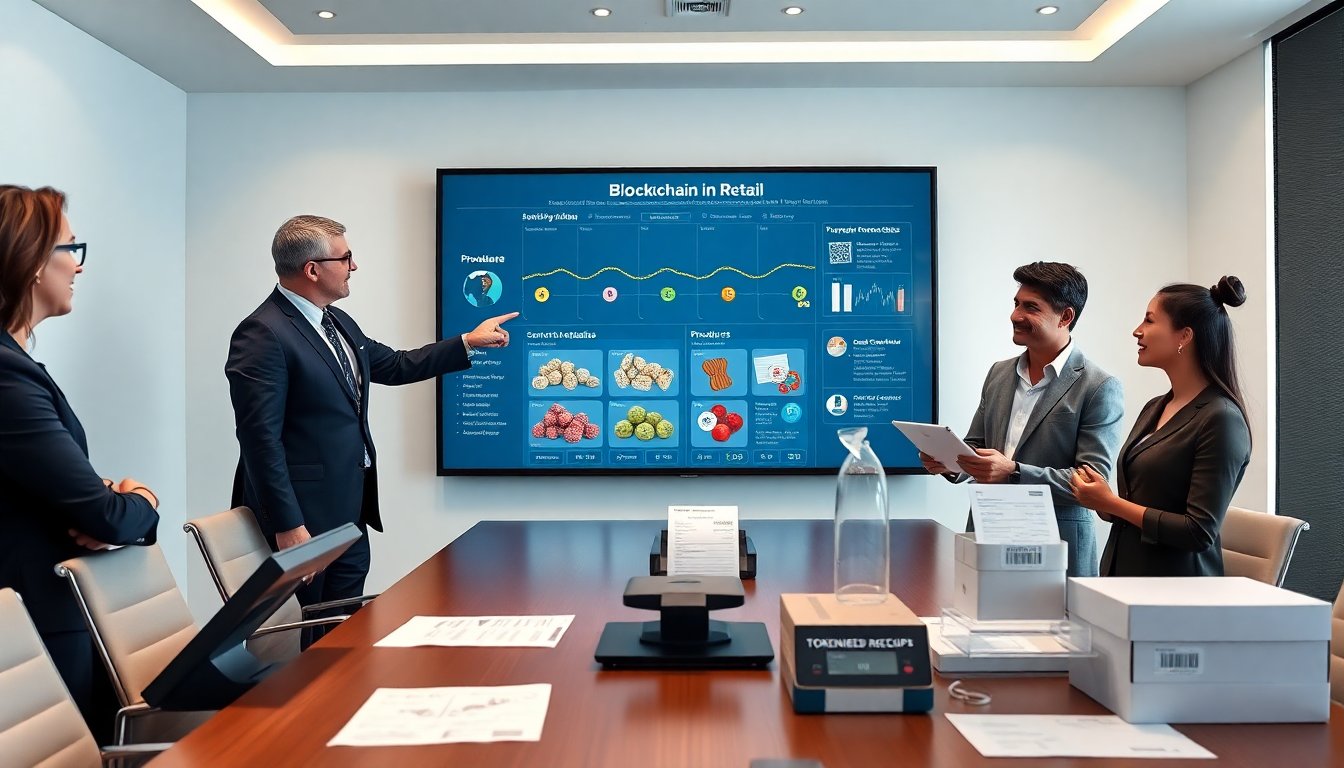
High-value use cases include source verification for food and fashion, tokenized receipts for resale markets, and cross-border wholesale payments. Each case lowers friction and reduces the chance for fraud. Companies can pilot with a single product line. They can scale after they measure savings and customer response.
How Retailers Can Implement Blockchain: Practical Steps, Costs, And Common Pitfalls
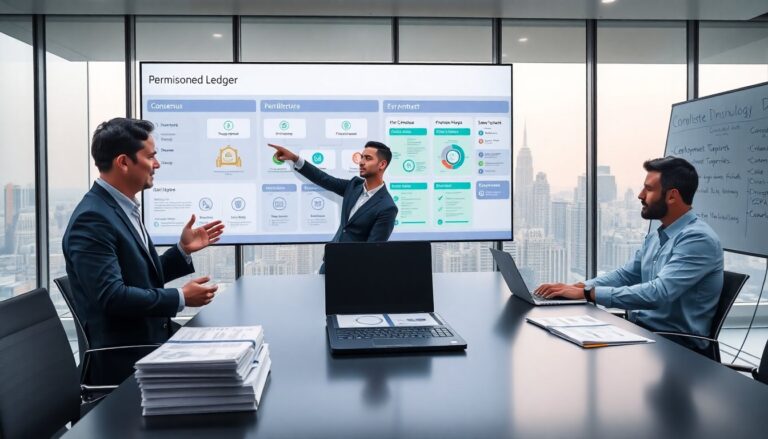
A retailer can carry out blockchain in retail by following clear steps. First, the team defines a use case and a success metric. They choose one measurable goal, such as decrease in return time or drop in counterfeit claims. Second, the team selects a network type. They pick between public chains, private chains, or permissioned ledgers. Third, they design data flows and who can write or read entries. Fourth, they build integrations to point-of-sale, ERP, and logistics systems. Fifth, they run a pilot and measure outcomes before full rollout.
Retailers estimate costs for blockchain in retail by breaking work into parts. They budget for development, hosting, integration, and staff training. Development may cost $50,000 to $500,000 depending on scope. Hosting and node operations may run $1,000 to $10,000 per month. Integration and testing may add $30,000 to $150,000. The team should add a contingency of 10–20 percent for unexpected work.
Common pitfalls arise when teams treat blockchain in retail as a cure-all. They pick overly broad scopes that increase complexity. They also ignore data quality and attach bad data to the ledger. The ledger cannot fix bad inputs. Another pitfall appears when teams pick the wrong privacy model. They must balance transparency and commercial secrecy. Finally, teams underestimate ongoing governance and maintenance. The ledger needs rules for who can write, who can audit, and how to update code.
A phased approach reduces risk. Teams start with limited scope and clear metrics. They use middleware to simplify integration and keep a rollback plan. They test performance under peak load. They select vendors with retail experience. They involve legal and compliance early to avoid surprises.
Regulatory, Security, And Integration Considerations For Retail Deployments
Regulators view blockchain in retail through data protection, payment law, and product safety rules. Teams must map applicable laws and record compliance steps. They must treat personal data carefully and avoid storing sensitive data on public ledgers. They can store hashes on chain and keep full records off chain.
Security teams treat blockchain in retail like any other critical system. They run audits on smart contract code. They rotate keys and use hardware security modules for signing. They monitor nodes and set alerts for unusual activity. They design incident-playbooks that include who notifies regulators and who stops writes to the ledger.
Integration teams focus on data accuracy and timing when they add blockchain in retail. They push real events to the ledger from scanners, sensors, and ERP systems. They batch less-critical writes to lower cost and write critical events immediately. They use standard data formats and APIs to reduce custom work. They include reconciliation checks that compare on-chain records to warehouse systems.
Teams test integration under load and simulate failure modes. They ensure that the system still works if a node goes offline. They run end-to-end tests that include returns, refunds, and recalls. They attach monitoring and alerts to every integration point.
Governance must cover access, upgrades, and dispute resolution. Teams set clear roles: who can endorse a change, who can add partners, and who audits activity. Clear governance limits legal risk and speeds incident response. Retailers that apply these rules gain a reliable ledger that lowers cost and raises customer trust.